The Mistake That Makes Homeowners and Real Estate Investors Leave Money on the Table
Authored by: Aaron Christy
I see this play out constantly, and honestly, it still bugs me every time.
Someone is selling a house or trying to buy one. Everyone is stressed about price, rates, inspections, and timing. Then storm damage shows up and everything shifts. A buyer gets nervous. A seller gets defensive. Or worse, the deal dies because people cannot agree.
What most people never get told is this. Storm damage can be one of your most valuable assets in a real estate deal if you know how to leverage it. And a lot of properties have it.
I am not saying this as a roofer. I am saying it as someone who invests in real estate myself, works in insurance daily, and happens to own a roofing and restoration company. I have been on all sides of this, sometimes in the same deal. I use this approach to come out ahead on my own real estate transactions.
Most homeowners assume that if there was storm damage, they would already know. That belief costs people a lot of money.
Hail does not always leak. Wind damage does not always rip things off the house. It often just sits there until someone trained looks at it and then suddenly it matters. Many times, even a home inspector may miss it because they are looking at the entire home and are not trained to identify the very specific indicators of storm damage.
If you are selling a home and skip inspecting it beforehand, specifically for storm damage, and it shows up later, you are likely paying your insurance deductible at minimum. For most homeowners today, that is one thousand to five thousand dollars or more. That money is gone whether the buyer asks for a credit or you scramble to fix it.
That is the best case scenario.
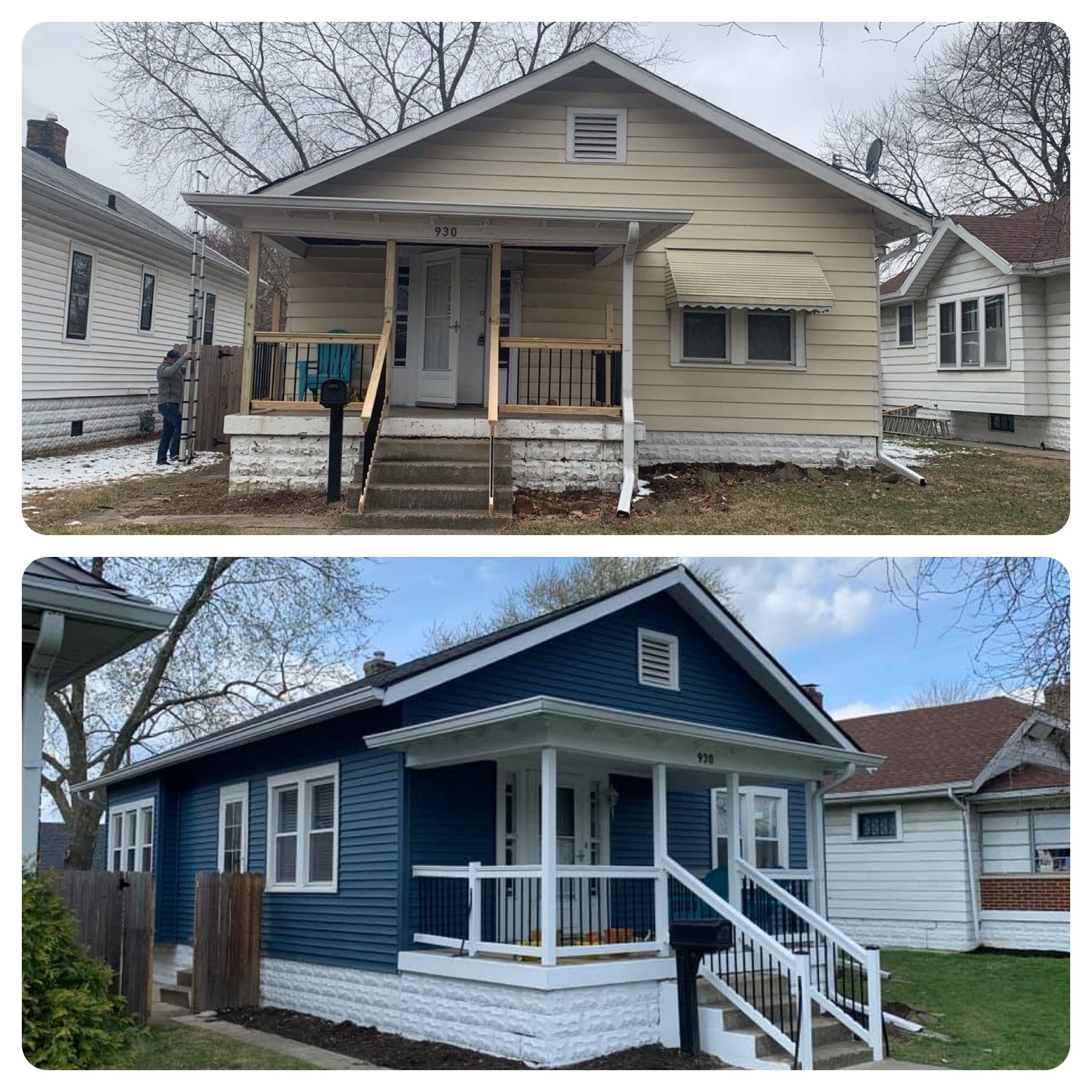
When sellers get a storm inspection before listing, something totally different happens. If damage is found and it makes sense, a claim can be filed. Even minimal damage can qualify. That opens the door for a new roof, new siding, new paint, and new gutters. Now the house shows better and can be listed for more money. If no damage is found, you get a clean bill of health that can be used later if a buyer tries to claim there are issues. Either way, you gain leverage.
In real-world pricing, sellers typically retain about seventy-five percent of the value of an insurance-funded exterior upgrade in the sale price. Buyers feel better. Appraisers see a stronger property. The numbers move.
I helped a seller with a rental property in Indianapolis they planned to list at one hundred fifty thousand dollars. We inspected it first, found legitimate storm damage, and handled the insurance claim before the house ever hit the market. It sold with a new roof, new siding, and new gutters for one hundred eighty thousand dollars. With a one-thousand-dollar deductible, the investor netted over twenty-nine thousand dollars simply by getting it checked.
Waiting until the buyer inspection puts you on defense. The buyer controls the pace and the pressure. Even if insurance covers the work, you are rushed, you usually still pay your deductible, and you listed the home at a pre-renovation price. The buyer captures the equity instead of you.
On the buying side, especially for investors, this can work in your favor. When I buy property, I actively look for legitimate storm damage that has not been addressed. You get the property under contract at the right price, confirm the damage during the inspection period, and leverage the seller to file the insurance claim before closing and assign that claim as part of the transaction. You are not filing the claim after closing and you don’t have to wait until it’s completed to close. This is why getting an assignment of claim (or assignment of benefits) is so important.
When the claim is assigned properly, you own it at closing. The insurance proceeds go with the house. This means the seller can’t run off with the insurance proceeds after closing and you are set to get a free renovation. That is immediate equity. Real equity on day one.
There is also a creative upside people overlook. You get to redesign the exterior the way you want. Colors, materials, curb appeal. A fresh canvas.
This is not just about avoiding problems. It is about leveraging what is already there to maximize your sale or your purchase.
If you are selling, ignoring storm damage can cost you thousands in deductibles and even worse, tens of thousands in increased sale price.
If you are buying, understanding it can give you instant equity and control over the property from day one.
I have used this approach for myself, for realtors, and helped others do the same for years. The reason more people do not benefit from it is simple. Nobody ever explained it to them. In real estate, it is common to get inspections done after the offer. Do not do what everyone else does or you will get the same result. Use this strategy to rise above the rest and put yourself in the best position for instant equity or the highest possible sale price.
Storm damage is expensive when you ignore it. When you understand it, it becomes an asset.
Author Byline
Aaron Christy is the founder and CEO of Indy Roof and Restoration. He works with homeowners and real estate investors to identify storm damage, navigate insurance claims, and use restoration strategically to protect and grow property value. Learn more at www.indyroofandrestoration.com