
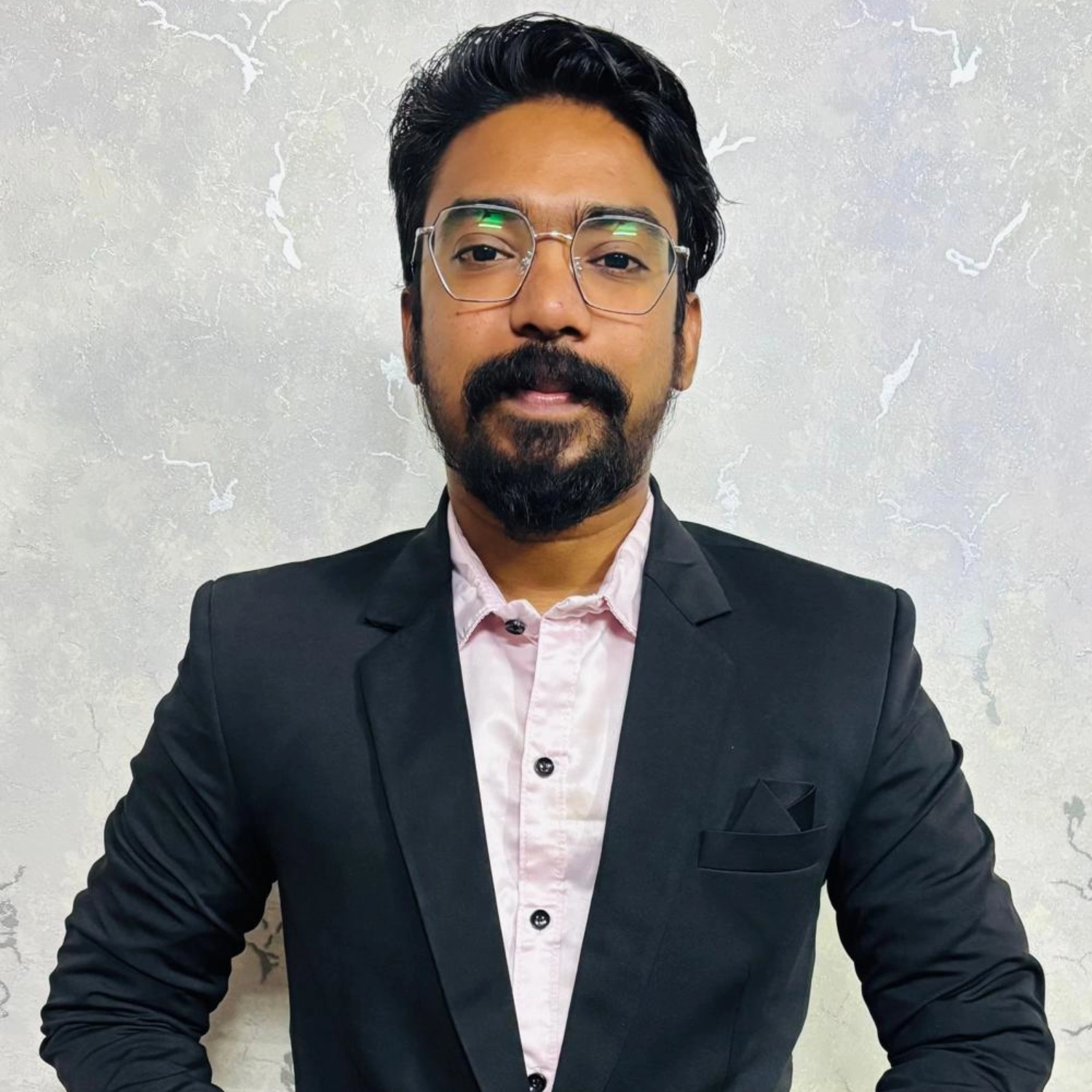
This interview is with Mayank Sahu, Chairman at Explore Mayank ( Claveto Technologies ).
Mayank Sahu, Chairman, Explore Mayank ( Claveto Technologies )
Can you tell us about your background in SEO and what led you to specialize in long-term SEO strategy and consulting?
Over the past decade, I’ve worked across almost every layer of SEO from technical audits and content architecture to large-scale backlink acquisition, AI-driven optimization, and multi-market growth strategies. I started my journey solving small ranking problems for local businesses, but very quickly realized that SEO isn’t just about keywords or backlinks, it’s about building long-term digital ecosystems that continue to generate compounding returns.
What was the pivotal moment or project in your career that shaped your approach to SEO consulting and helping businesses achieve digital success?
The pivotal moment in my SEO career came during a project where a client had tried every quick fix but their website still wasn’t scaling because Google didn’t truly understand or trust their brand. While analyzing competitors, I realized the real problem wasn’t keywords or backlinks, but missing entity signals, weak topical depth, and a fragmented content structure. I rebuilt their entire SEO foundation using a long-term strategy focused on technical architecture, structured internal linking, evidence-based content, and strong brand entity optimization. Within months, their rankings stabilized, traffic grew sustainably, and the brand finally became recognizable in Google’s knowledge ecosystem. That experience transformed my approach to SEO shifting me from traditional tactics to building long-term, AI-aligned SEO systems that create durable authority and measurable business growth.
When you’re brought in as an SEO consultant for a business that’s struggling with organic visibility, what’s the first thing you look for that most other consultants might overlook?
When I’m brought in as an SEO consultant for a business struggling with organic visibility, the first thing I look for something most consultants overlook is whether Google actually understands the brand’s identity, expertise, and purpose at an entity level. Before touching keywords or backlinks, I examine the site’s semantic footprint: how clearly the brand is represented in Google’s Knowledge Graph, whether its content demonstrates consistent topical authority, if internal linking reinforces subject clusters, and whether structured data supports a unified story. Most websites don’t rank because Google receives fragmented, contradictory, or incomplete signals about who they are and why they matter. Once I identify these gaps, I rebuild the foundation so search engines can recognize the brand as a credible, authoritative entity unlocking sustainable visibility instead of short-term ranking spikes.
You’ve mentioned the importance of reading data like a story—can you walk us through your process for building a long-term SEO plan that balances quick wins with sustainable growth?
When I say I read data like a story, I mean that every metric traffic drops, keyword gaps, crawl logs, heatmaps, user paths reveals why a website is truly performing the way it is. My process for building a long-term SEO plan starts with uncovering the narrative hidden inside the data. First, I diagnose the “opening chapter”: technical health, entity clarity, search intent alignment, and how Google currently perceives the brand. Then I identify the quick wins low-competition keywords, orphan pages, broken topical paths, thin high-potential URLs, and content that can rank with structured improvements. These wins give momentum, trust, and early traffic. Once the site is stabilized, I shift into sustainable growth: creating topic clusters, strengthening internal link architecture, scaling content with AI-assisted research, improving E-E-A-T signals, and aligning everything with long-term commercial intent. The result is a roadmap where short-term actions unlock immediate visibility, while deeper structural and semantic improvements build an SEO engine that compounds over time.
What’s one common mistake you see businesses make when trying to implement SEO strategy on their own, and how do you typically help them course-correct?
One of the most common mistakes businesses make when trying to implement SEO on their own is focusing only on surface-level activities publishing random blogs, chasing backlinks, or stuffing keywords without building a structured search foundation. They treat SEO like a checklist instead of an ecosystem. Because of this, their content rarely matches search intent, their site architecture becomes messy, and Google can’t understand their authority or topical depth. When I step in, I course-correct by reframing the entire strategy around clarity and structure: defining a proper information hierarchy, mapping topics to user intent, fixing entity signals, cleaning technical debt, and aligning content around a measurable outcome. I rebuild SEO as a system, not a tactic so the business shifts from reacting to Google updates to compounding long-term growth with a clear, scalable roadmap.
As search engines evolve with AI overviews and changing user behavior, how do you future-proof an SEO strategy so it remains effective 2-3 years down the line?
Future-proofing an SEO strategy in the era of AI Overviews requires shifting from “ranking pages” to “building machine-readable authority.” Search is no longer just about Google’s blue links it’s about how LLMs interpret, cite, and trust your brand across multiple ecosystems. So I design strategies that outlast algorithm cycles: strengthening entities, creating structured and schema-rich content, ensuring every page feeds into a unified knowledge graph, and producing evidence-based assets that AI can confidently reference. I focus heavily on multimodal content, first-hand experience signals, and clear information architecture because these elements help both Google’s AI systems and LLMs understand expertise. We also future-proof by building diversified traffic across Discover, YouTube, SGE, Perplexity, Gemini, and ChatGPT so visibility isn’t dependent on a single platform. By treating SEO as a long-term data and authority-building system, the strategy stays resilient and continues compounding for the next 2–3 years, no matter how search evolves.
Can you share a specific example where a client was hesitant to invest in long-term SEO, and how you helped them understand the value beyond just rankings and traffic?
A few years ago, I worked with a client who was extremely hesitant to invest in long-term SEO. They only wanted “quick rankings” because their competitors were ahead and they felt SEO was too slow. Instead of pushing a long proposal, I walked them through a simple story using their own analytics: every time they stopped SEO efforts, their traffic curve dipped, their leads slowed, and competitors filled the gaps. But whenever they invested even for a short period the growth didn’t just return, it compounded. I showed them how SEO isn’t a cost but an asset-building system: content gains authority over time, backlinks age and strengthen, brand mentions accumulate, and Google increases trust. I also demonstrated how long-term SEO protects them during algorithm updates while competitors relying on shortcuts kept losing visibility. Once they saw how SEO works like building equity, not renting ads, they shifted from a monthly mindset to a strategic one. Within a year, their organic leads became their biggest revenue channel, and the same client who once hesitated now calls long-term SEO their smartest investment.
When creating an SEO plan for a business, how do you balance technical optimization, content strategy, and user experience—and which one do you typically prioritize first?
When I create an SEO plan for any business, I approach it like a three-layer system: technical foundations, content intelligence, and user experience performance. All three matter, but I always prioritize technical optimization first because if a website can’t be crawled properly, indexed reliably, or understood semantically, even the best content and UX won’t perform. Once the architecture is clean schemas aligned, crawl waste reduced, speed optimized, and the knowledge graph strengthened I shift to content strategy, focusing on intent mapping, entity building, and creating content designed for both Google and AI search systems. Finally, I refine the user experience, ensuring pages satisfy intent, reduce friction, and build trust signals that turn visibility into conversions. The balance comes from treating these elements as interconnected not isolated activities. Technical SEO unlocks visibility, content earns it, and UX converts it.
Looking at the current direction of search and digital marketing, what’s one piece of advice you’d give to businesses about their SEO strategy for 2026 and beyond that goes against conventional wisdom?
If I had to give one piece of advice for SEO in 2026 and beyond that goes against traditional thinking, it would be this: stop optimizing only for Google start optimizing for how AI systems interpret your brand. Most businesses still obsess over keywords, backlinks, and classic ranking factors, but the real battleground now is multi-model visibility: how well your brand is understood, cited, and trusted by LLMs, AI search engines, answer engines, and multimodal systems.In the coming years, businesses that win won’t just be the ones ranking on page one they’ll be the ones whose content is consistently chosen as the source for AI Overviews, Perplexity Citations, Gemini Answers, and ChatGPT references. That means shifting focus from “how to rank on Google” to how to structure your content, data, and authority signals so AI models can confidently use you as ground truth. It’s about entity optimization, data cleanliness, knowledge graph strengthening, verification signals, and creating AI-consumable content formats not just publishing blogs and building links.
Thanks for sharing your knowledge and expertise. Is there anything else you’d like to add?
If there’s one final thought I’d add, it’s this: SEO is no longer just a marketing channel it’s becoming an infrastructure layer of your business. Brands that treat SEO as a long-term asset, invest in clean data, build strong entity signals, and optimize for both humans and AI systems will dominate the next era of search. The businesses that win aren’t the ones publishing the most content they’re the ones creating the most trustworthy, machine-readable, and experience-driven digital ecosystems.