
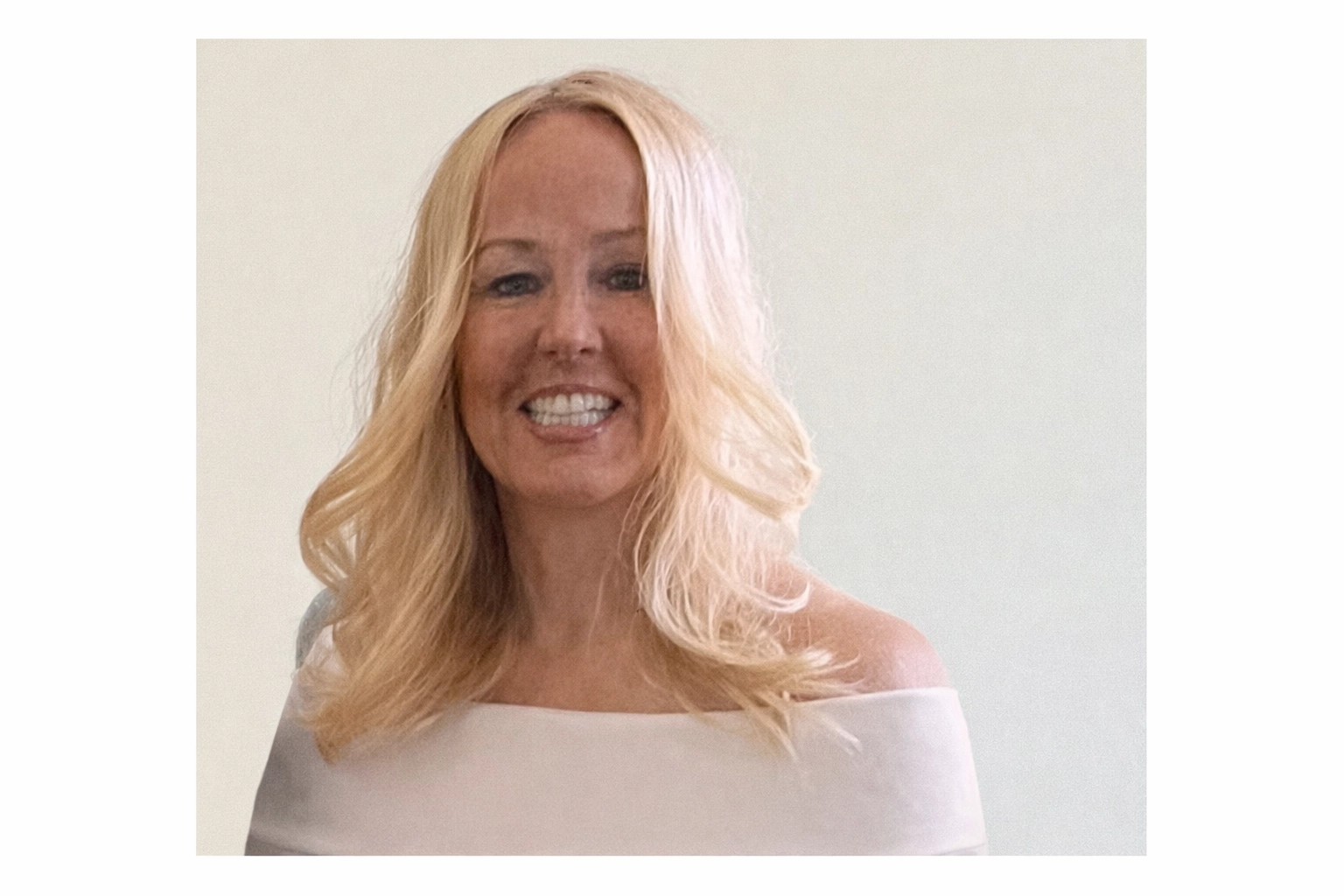
This interview is with Jennifer Schaefer MBA, CLU, CHFC, RHU, REBC, SHRM-SCP, President & CEO, JS Benefits Group.
To start, as President & CEO of JS Benefits Group in the insurance industry, how do you describe your core expertise in employee benefits and the types of employers you most often advise?
As President & Founder of JS Benefits Group, my core expertise is helping small and mid-sized employers bring structure and strategy to one of their largest financial line items — healthcare.
Too often, companies approach group health insurance as an annual transaction. Rates arrive, options are presented, and decisions are made under pressure. I built my firm around challenging that reactive model.
I work most frequently with organizations in the 10 to 900 employee range that are experiencing renewal volatility and want to understand what is actually driving their increases. That means analyzing claims data early, evaluating funding structures such as level-funded plans, forecasting outcomes months in advance, negotiating strategically with carriers, and ensuring compliance is proactively managed.
Preparation changes leverage. When employers begin planning six to nine months ahead, they move from reacting to renewals to influencing them.
Ultimately, I advise leadership teams who want clarity, accountability, and long-term financial stability — not just a spreadsheet comparison delivered weeks before a deadline.
Looking back on your career, what experiences or decisions most shaped your path to leading a benefits consultancy and your philosophy on employee health and wellness?
Looking back, the experiences that shaped my path weren’t single breakthrough moments — they were patterns I began to notice early in my career.
I saw how often employers approached health insurance as a transactional purchase rather than a strategic investment. At the same time, I saw how deeply employee health — both physical and financial — impacted morale, productivity, and long-term business stability. That gap between cost management and overall wellness is what ultimately led me to build a benefits consultancy structured around preparation and long-term thinking.
Becoming a Certified Corporate Wellness Specialist further influenced my philosophy. It reinforced for me that employee health is not just about plan design; it’s about culture, education, engagement, and leadership modeling behavior from the top down.
On a personal level, my own routine has shaped how I lead. I lift weights and walk three miles every morning. That discipline isn’t about fitness alone — it’s about clarity, consistency, and doing the work before the day becomes reactive. That same mindset drives how I approach renewals and client strategy: prepare early, stay consistent, and focus on long-term outcomes instead of short-term reactions.
Leading a benefits consultancy requires balancing financial responsibility with genuine care for people. My philosophy is rooted in both structure and wellness — because sustainable businesses are built when leadership treats employee health as a strategic priority, not an annual expense.
Staying on the data theme, what is one example where benefits analytics from your HRIS or enrollment data led you to change plan design or funding and delivered measurable impact?
One example that really stands out involved a mid-sized employer that kept seeing steady renewal increases year after year. Leadership assumed it was just “medical trend” and that there wasn’t much they could do.
When we dug into their HRIS and enrollment data along with claims reporting, we saw a clearer picture. Dependent participation was high, pharmacy spend was driving a large portion of claims, and the plan design was very rich with a low deductible. None of that is inherently bad — but when combined, it created volatility.
Instead of shopping the plan right away, we modeled their actual claims performance. The data showed they were stable enough to consider a level-funded arrangement with some thoughtful plan design adjustments.
We made a few strategic changes:
- Adjusted deductibles moderately
- Reviewed contribution strategy
- Implemented a level-funded structure with appropriate stop-loss
- Committed to reviewing claims quarterly instead of once a year
The projected fully insured renewal was around 14%. The final outcome landed at a low single-digit effective increase with significantly more predictability moving forward.
For me, that case reinforced something I believe strongly: data should drive decisions, not fear. When employers understand what’s actually happening inside their plan, they stop reacting and start planning.
On communication, what single change to your approach most increased employee understanding and smarter enrollment choices?
The single biggest change we made was shifting from passive communication to direct employee education — and prioritizing in-person meetings whenever possible.
For years, like many firms, enrollment communication often meant sending materials, rate sheets, and plan comparisons and expecting employees to interpret them on their own. We realized that information alone doesn’t create understanding.
We strongly prefer in-person enrollment meetings because employees engage differently when someone is walking them through the plan face-to-face. When that’s not possible, we conduct structured virtual sessions. In either setting, we explain deductibles and out-of-pocket exposure in practical terms, use real examples instead of insurance language, and create space for questions.
We also simplified the decision-making process by clearly framing who each plan is best suited for, rather than overwhelming employees with too many variables.
When employees truly understand how their plan functions — not just what’s coming out of their paycheck — enrollment decisions become smarter. We’ve seen better plan alignment, fewer post-enrollment issues, and significantly less confusion for HR.
The shift wasn’t adding more information; it was delivering clarity in a way people can actually absorb.
When funding strategy is on the table, what is the first diagnostic you review to steer a mid-market employer among fully insured, level-funded, and self-funded models?
The first thing I review is claims stability over time. Not just total spend, but how predictable it has been and what is actually driving it.
I want to see two to three years of claims data and understand whether costs are spread across the population or tied to a few large claims. I also look closely at pharmacy trends, particularly specialty drug exposure, because that can significantly impact funding decisions.
Before I suggest fully insured, level-funded, or self-funded options, I need to know: Is this group stable enough to absorb some variability, or would volatility create too much disruption?
Funding strategy isn’t only about potential savings — it’s about comfort with risk and operational discipline. Some leadership teams value predictability above all else, while others are willing to take on controlled risk if the data supports it.
The decision starts with facts, not fear. Once we understand the data clearly, the right direction usually becomes much more obvious.
Turning to wellness—and reflecting your own active interests like yoga and snowboarding—how do you design programs that measurably reduce claims or absenteeism?
When I think about wellness, I don’t consider it as just perks — I think about behavior and consistency. That perspective comes from my own routines. Whether it’s strength training, walking daily, yoga, or snowboarding, none of it works unless you show up consistently. Corporate wellness is no different.
When we design programs, we focus on measurable outcomes, not just participation. First, we look at claims data and absentee patterns. Are musculoskeletal claims trending high? Is there elevated stress-related utilization? Is preventive care underutilized? The program should respond directly to the data.
For example, if we see rising musculoskeletal claims, we may introduce:
- Posture and mobility education
- Ergonomic assessments
- Movement-based initiatives
If preventive visits are low, we communicate early and clearly — not just once — about the value of screenings.
We also measure progress quarterly. That includes tracking preventive care utilization, pharmacy trends, short-term disability frequency, and absentee days when available. If nothing is moving, we adjust.
Wellness isn’t about launching something flashy. It’s about creating a culture where leadership models consistency and employees feel supported in small, practical changes over time.
Just like personal fitness, measurable improvement happens when habits become structured — not when incentives are temporary.
On ancillary benefits, which voluntary option (e.g., accident, critical illness, disability) has delivered the strongest ROI for your clients recently?
Recently, short-term disability has delivered some of the strongest measurable ROI for our clients—especially for employers with hourly or mixed workforces.
When we review claims and absentee trends, income disruption is often the real stress point for employees, not just medical bills. A well-structured short-term disability plan provides income stability during recovery periods, which reduces financial pressure and helps employees return to work more effectively.
From an employer standpoint, it improves retention, reduces unexpected leave complications, and creates more predictable workforce planning.
Critical illness and accident coverage also provide value, particularly when paired with high-deductible medical plans, but disability tends to have the most consistent, practical impact because it directly addresses income continuity.
On a personal level, I always feel strongly about employers offering disability coverage. Over the years, I’ve seen too many situations where employees had no protection in place, and the financial strain compounded an already difficult time. We’ve also seen employers introduce coverage only after a catastrophic event has already occurred—and by then, it’s too late for the employees who needed it most.
At the end of the day, ROI on voluntary benefits isn’t just measured in premiums versus payouts. It’s reflected in employee stability, reduced distraction, and fewer downstream HR issues. Disability coverage often checks all three boxes.
For small businesses managing tight budgets, what is one benefits-management practice that consistently lowers total healthcare spend without eroding employee satisfaction?
One benefits-management practice that consistently lowers total healthcare spend without eroding employee satisfaction is implementing a structured HRA alongside a higher-deductible plan.
When designed properly, an HRA allows the employer to take on controlled, predictable risk rather than paying fixed premium increases year after year. Instead of absorbing an across-the-board renewal increase, the company funds a portion of claims strategically — and only when employees actually incur them.
The key is balance. We often see employers adjust the deductible modestly to reduce premium, and then use an HRA to protect employees from unexpected large out-of-pocket exposure. Employees feel supported because the employer is still contributing meaningfully, but the company avoids paying inflated fixed premiums for claims that may never occur.
When paired with clear communication and education, an HRA structure can create shared responsibility without creating frustration.
It’s not about shifting cost to employees; it’s about structuring cost more intelligently.
On compliance, what is the first step you take when you uncover an ERISA or COBRA risk during a benefits audit?
The first step I take when we uncover a potential ERISA or COBRA risk during a benefits audit is to assess scope and exposure before reacting.
Not every compliance issue carries the same level of urgency. We review documentation, timelines, notices, and administrative procedures to determine exactly where the gap exists and what the potential exposure could be.
With small businesses in particular, compliance gaps are often not intentional—they usually stem from growth, informal processes, or owners being accustomed to making quick operational decisions. Benefits compliance doesn’t always operate that way. There are federal requirements that must be followed regardless of company size.
Once we understand the scope, we create a clear corrective plan. That may involve:
- Issuing required notices
- Updating plan documents
- Adjusting internal workflows
- Coordinating with third-party administrators and, when appropriate, legal counsel.
Equally important, we help leadership understand why compliance matters. It’s not about limiting flexibility—it’s about protecting the company from penalties and protecting employees from unintended risk.
Most owners appreciate structure once they understand the exposure. Our role is to make compliance practical, manageable, and proactive rather than overwhelming.
Thanks for sharing your knowledge and expertise. Is there anything else you'd like to add?
If I were to add one final thought, it’s that building a business teaches you that discipline applies everywhere — including benefits strategy.
As a founder, you learn quickly that reacting late is expensive. That lesson shows up in healthcare planning as well. Employers who prepare early, look at their data honestly, and make measured adjustments tend to outperform those who hope renewal will “work itself out.”
I also believe strongly that leadership matters. The tone set at the top influences how employees engage with their benefits, their health, and their long-term planning. Strategy isn’t just spreadsheets — it’s culture.
Entrepreneurship has reinforced for me that consistency beats intensity. In business, in wellness, and in healthcare planning, small, intentional decisions made early compound over time.
That’s the philosophy I bring to every client relationship.