
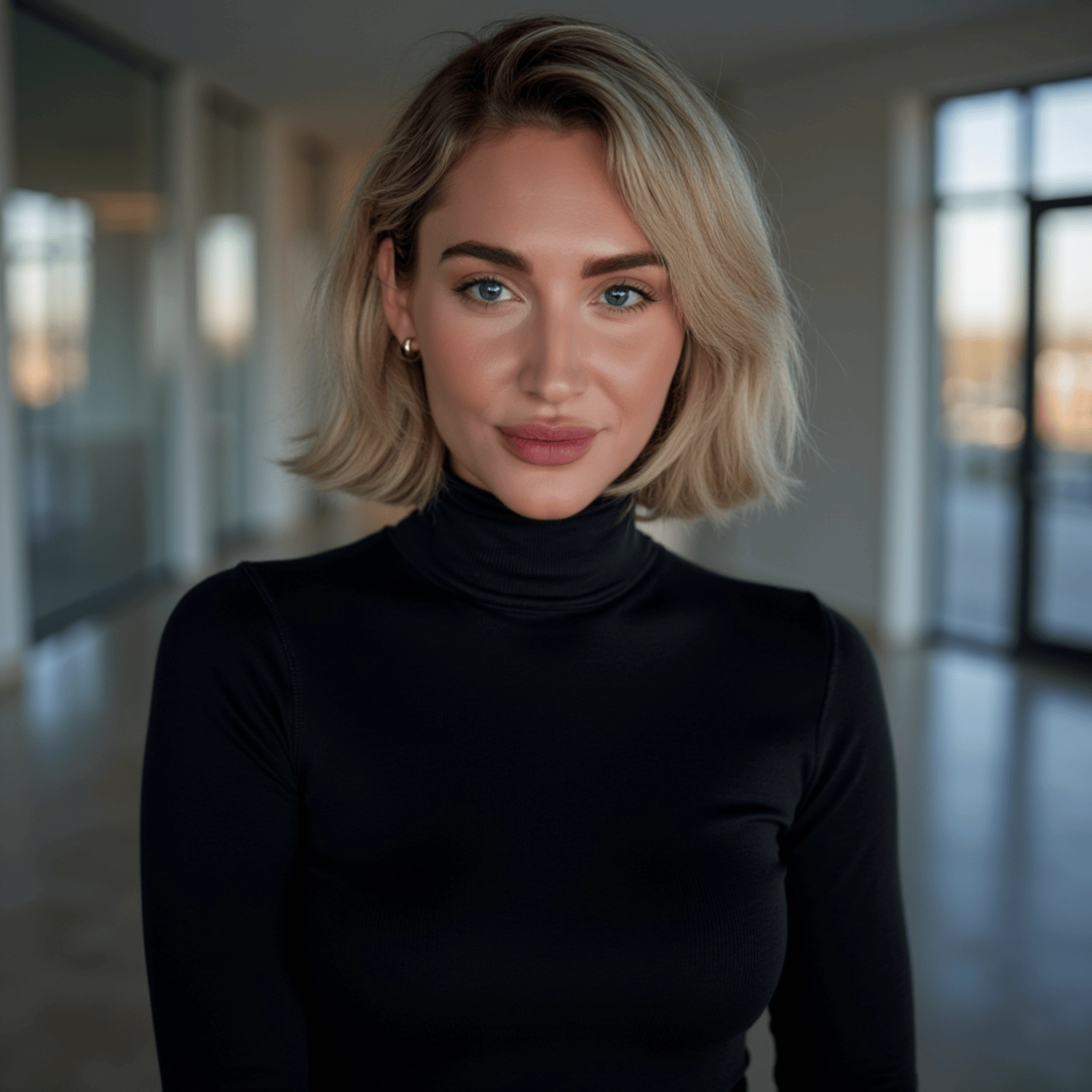
This interview is with Danae DiGiulio, Founder & CEO at CELESTE DU VIDE LLC.
Danae DiGiulio, Founder & CEO, CELESTE DU VIDE LLC
As the founder of Celeste du Vide, can you share your journey into the world of non-synthetic skincare and how your personal experiences with autoimmune issues shaped your approach to clean beauty?
My journey into non-synthetic skincare was born out of necessity, a vision for the future of what “clean beauty” was intended to be. Living with a connective tissue disease made me hyper-conscious of everything I put on my skin. The more I examined ingredient lists, the clearer it became these semantics of “clean beauty” have been manipulated, reshaping language until the term itself lost its meaning. Céleste du Vide was born from a desire to strip away illusion—to expose the deception that distorts truth and allows synthetics to be disguised as natural. We chose to use only botanical oils and bioavailable ingredients to honor the skin’s natural barrier. Our philosophy reflects the name itself, Céleste du Vide: the belief that truth is born from the void, where light emerges only after illusion, excess, and deceit are revealed.
What was the pivotal moment that inspired you to transition from being a consumer struggling with ‘clean’ products to becoming an entrepreneur in the luxury skincare industry?
It really started when I noticed that the products claiming to be “clean” or “natural” were the ones inflaming my skin. I’d go in the sun thinking I was using something better for me, and I would end up burning, worse than when I had used nothing at all and had fewer inflammatory reactions. When I mixed my own oils, I didn’t burn, and my skin reacted differently. That’s when I started reading ingredient lists line by line and saw that most of these so-called clean products still had synthetics, petroleum fillers, and phototoxic fragrance compounds that react harshly in sunlight. They were full of endocrine disruptors too, which goes completely against what “clean” should mean. It felt like the whole industry was hiding behind marketing instead of being honest. Beyond that, I was tired of how juvenile everything smelled. I didn’t want to smell like fruit or coconut. I wanted something elegant, sensual, and uncompromising in texture, absorption, and scent—something that actually earns the title “clean.”
You’ve mentioned the importance of ingredient transparency in the beauty industry. Can you share a specific instance where this transparency made a significant difference in your product development or customer relationships?
I’ve always made it my priority to be forthright about what goes into my products. That mindset of accountability is the construct for everything I do, from where I source to the way I formulate each blend. When I started working on Céleste du Vide, I decided early on that every oil, extract, and fragrance component had to be non-synthetic. I veered away from any ingredients hidden behind words like “fragrance” or vague chemical descriptors.
There was a point while I was reviewing a formula with my chemist and one supplier claimed their ingredients were natural. I asked for the regulatory documentation, reviewed it myself, and I still remember thinking, wait… this doesn’t add up. A few of the ingredients were synthetic isolates mixed with industrial solvents, essentially a blend of both synthetic and natural materials, some of which even had environmental warnings attached. That’s when it really hit me. It helped me understand the usual tactics brands use to make their products sound clean when they’re really not. It also made it obvious to me the way a brand can so easily be tempted to compromise out of convenience.
So I went back and made sure they understood exactly what non-synthetic meant, because apparently even that can be reinterpreted when money is involved. I explained I wasn’t going to let anything get past me, nor would I cave the way a lot of brands do. After that, I started checking everything myself, line by line, to be certain nothing slipped in there. Because despite making my vision clear from the start, I still had to stay involved and micromanage every detail to prevent any mishandling of the formula.
Transparency isn’t a marketing angle for me; it’s the foundation of the brand.
How do you balance the demands of running a luxury skincare brand with maintaining your own wellness and practicing the holistic health principles you advocate for?
It’s a balance, but I’ve learned to be intentional about where I place my energy. I’m someone who can get completely consumed by work; once I start, I don’t stop until I burn out. So I’ve had to learn to pause, to let myself reset instead of pushing through. I get more done when I’m grounded and clear than when I’m running on fumes.
The same philosophy behind Céleste du Vide — the removal of what’s synthetic or excessive — also applies to how I live. I keep my schedule intentional, my environment uncluttered, and my focus precise. Building this brand has been both isolating and transformative. It stripped away what was left of distraction or noise in my life, and what’s left is pure dedication. My energy goes to rest, recovery, and creating. Nothing else.
In your experience, how has the science behind botanical oils influenced your product formulations, and what surprising discoveries have you made in this area?
Studying botanical oils has reshaped the way I understand skin biology. Their molecular structure allows them to integrate with the lipid matrix of the barrier rather than remain on the surface. High-oleic oils such as sunflower and avocado support barrier repair, while grapeseed and raspberry seed oils deliver linoleic acid, which regulates sebum and minimizes inflammation. Unrefined oils like buriti and sea buckthorn are naturally dense in carotenoids and tocopherols. These compounds neutralize oxidative stress and aid in epidermal recovery. Even the aromatic components have a biological dimension. Tonka bean and vanilla contain coumarin and vanillin, which interact with the limbic system and elicit a calming physiological response while nourishing the skin.
As a founder who has openly shared personal health struggles, how do you navigate the vulnerability of brand storytelling while maintaining professional boundaries?
I never want to overshare, but I also don’t want to come off detached or diminish what I’ve lived with. I try to stay straightforward and focused, speaking objectively without being overly emotional. When I talk about my health, it’s not to make it personal; it’s to build connection.
A lot of people are left out of the beauty space, especially those with autoimmune conditions or sensitive skin. I built this brand to change that — to encourage mindfulness in formulation and to create products people can reach for instinctively, confident they were made with real care and intention.
What innovative approaches have you taken in clean beauty that you believe are pushing the industry forward, particularly in terms of being endocrine-safe and autoimmune-conscious?
No one’s really addressing people with autoimmune diseases. Phthalates, synthetic fragrance, and other endocrine disruptors don’t just irritate the skin; they affect hormones, energy, mood, and even fertility. We don’t need to reinvent what nature already provides. When you design with the body’s own systems in mind, everything works in harmony, which is what commercial brands overlook.
Can you share a challenging moment in your startup journey and how you demonstrated resilience to overcome it, potentially offering advice to other women entrepreneurs facing similar obstacles?
There were days I couldn’t get out of bed, but I made a choice to let the physical pain drive me instead of define me. You can take moments like these one of two ways: they either break you down or push you higher. I decided to make it a driving force. I’d encourage other women to feel those moments, but find the strength to push past them. That’s where real resilience and real strength are built.
Looking at the future of sustainable luxury in skincare, what trends or changes do you foresee, and how is Celeste du Vide preparing to meet these evolving consumer demands?
Sustainability in luxury is moving toward proof, not promises. People want fewer products, better ingredients, and traceable sourcing. They’re becoming more aware of what’s real and what’s been sold through marketing ploys and deceit. As people get more informed, the mainstream industry will have no choice but to evolve. I actually encourage other brands to compete — even with mine. That kind of pressure is what creates a real revolution in skincare.
Thanks for sharing your knowledge and expertise. Is there anything else you’d like to add?
What I’m building with Céleste du Vide goes beyond skincare. It’s bringing honesty back into an industry that has relied on greenwashing for far too long. People are tired — tired of empty words, tired of wondering what’s real, tired of having to dissect every ingredient or feel like they need to be a scientist to trust what’s part of their everyday routine.
The change I want to see won’t come from polished ads or perfect branding. It comes from consistency and from holding ourselves to higher standards in every part of life, including what we put in our bodies and on our skin. When enough of us do that, the rest of the industry will have to wake up.