
The Hidden Cost of Confusion: Why Homeowners Need to Understand Remodel vs. Renovation
Authored by: Mo Esalehian
Every week, I meet homeowners across Tampa, St. Pete, Clearwater, and neighborhoods like Hyde Park who are about to make expensive mistakes not because they’re choosing the wrong contractor or cheap materials, but because they misunderstand what type of project they need. The confusion between “remodel” and “renovation” isn’t just semantics. It’s a costly misunderstanding that can derail budgets, extend timelines, and leave families frustrated.
After fifteen years working throughout the Tampa Bay area, I’ve seen this confusion cost homeowners anywhere from $15,000 to $60,000 in unnecessary work. Let me share what I’ve learned about helping clients make smarter decisions.
Understanding the Real Difference
Renovation is restoration. You’re working within the existing framework. You’re updating finishes, replacing fixtures, and modernizing aesthetics, but the bones stay the same. The toilet doesn’t move. The kitchen layout remains identical.
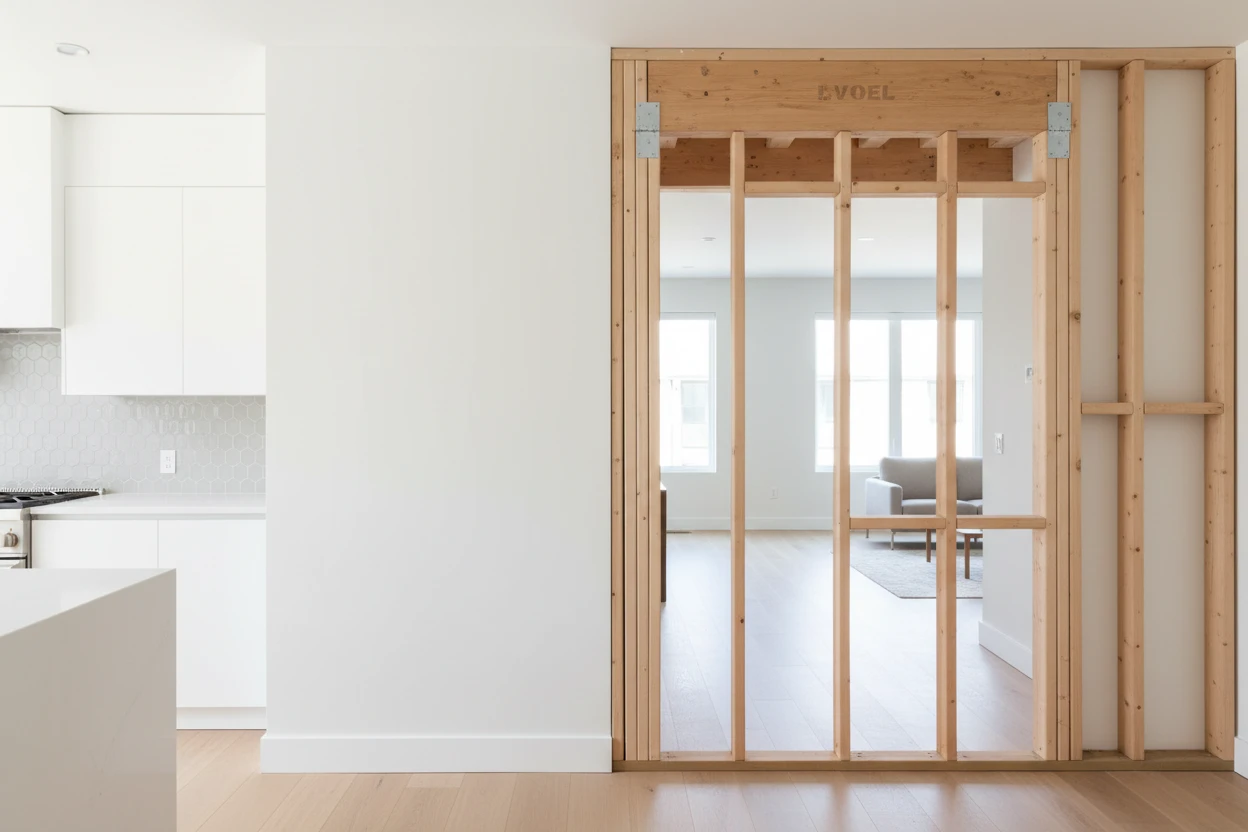
Remodeling is transformation. This involves structural changes that alter how a space functions. Moving walls, reconfiguring layouts, changing room purposes, and rerouting plumbing and electrical, these are remodels.
The distinction matters because renovation projects typically cost 50–70% less than remodeling projects and take one-third as long. More importantly, sometimes renovation is the smarter choice even when you can afford to remodel.
Three Lessons from Real Projects
Lesson 1: Don’t Let HGTV Dictate Your Needs
Last year, a young couple in St. Pete came to me wanting to “completely gut and remodel” their 1,200-square-foot home. Their budget: $145,000. As we walked through their space, I asked how they actually lived. I inquired about the room they intended to transform. The room was already ideal, but they harbored a strong dislike for the antiquated carpet. Did they plan to eliminate the formal dining room? They actually loved hosting dinner parties there.
We scaled back significantly. Instead of remodeling everything, we strategically remodeled only the kitchen (which had a genuinely dysfunctional layout) and renovated the other spaces. Final cost: $87,000.
The takeaway: Targeted renovation often delivers 80% of the impact at 40% of the cost.
Lesson 2: Functionality Trumps Aesthetics
A Hyde Park homeowner insisted their 1970s kitchen needed only cosmetic updates. But the real issue was workflow: sink on one wall, stove on another, refrigerator in a corner. They walked miles preparing dinner each night.
No amount of paint would fix that fundamental problem. We remodeled, and it transformed their daily life.
The takeaway: If the layout frustrates you daily, renovation won’t solve it. If you love how space functions but hate how it looks, renovate.
Lesson 3: The Permit Reality Check
Many don’t realize remodeling requires permits and inspections, adding 2-4 weeks for approvals. Projects stall when homeowners discover they need structural engineering and multiple inspections for “just one wall.”
Renovation projects usually don’t need permits, which significantly affects timelines.
The takeaway: Factor permit requirements into your decision. Need it done in six weeks? Remodeling isn’t feasible.
Making Your Decision
Before committing to any project, whether in Clearwater, Tampa, or anywhere in the Bay area, ask yourself three questions:
- Does the layout work for how I live? If yes, you probably need renovation.
- Can I clearly articulate what’s broken versus what’s outdated? Broken functionality requires remodeling; outdated aesthetics need renovation.
- Could you please provide the comprehensive budget, including contingencies? For remodeling, add 20% for surprises. For renovation, 10% usually suffices.
The construction industry has improved at delivering beautiful results, but we still struggle to help clients truly understand what they need. The best project isn’t the most expensive or dramatic transformation; it’s the one that genuinely improves your daily life within your budget.
I’ve learned that successful projects start with honest conversations about needs versus wants and realistic expectations. When homeowners understand the difference between remodel and renovation, they make decisions that align with their lifestyle and budget.
The next time you’re planning a home improvement project, take a moment and ask yourself whether you need to change how the space works or just how it looks. That simple question can save thousands of dollars and weeks of disruption.
That’s the conversation every homeowner deserves before signing a contract.
Author Bio: Mo Esalehian owns Novacore Builders, a Tampa-based general contracting company specializing in residential remodeling and renovation projects. With over 15 years of experience in the construction industry, Mo has built his reputation on transparent communication and helping homeowners make informed decisions about their projects. He founded Novacore Builders with a commitment to quality craftsmanship and client education, believing that the best projects start with homeowners who truly understand their options. Learn more at NovacoreBuilders.com.