
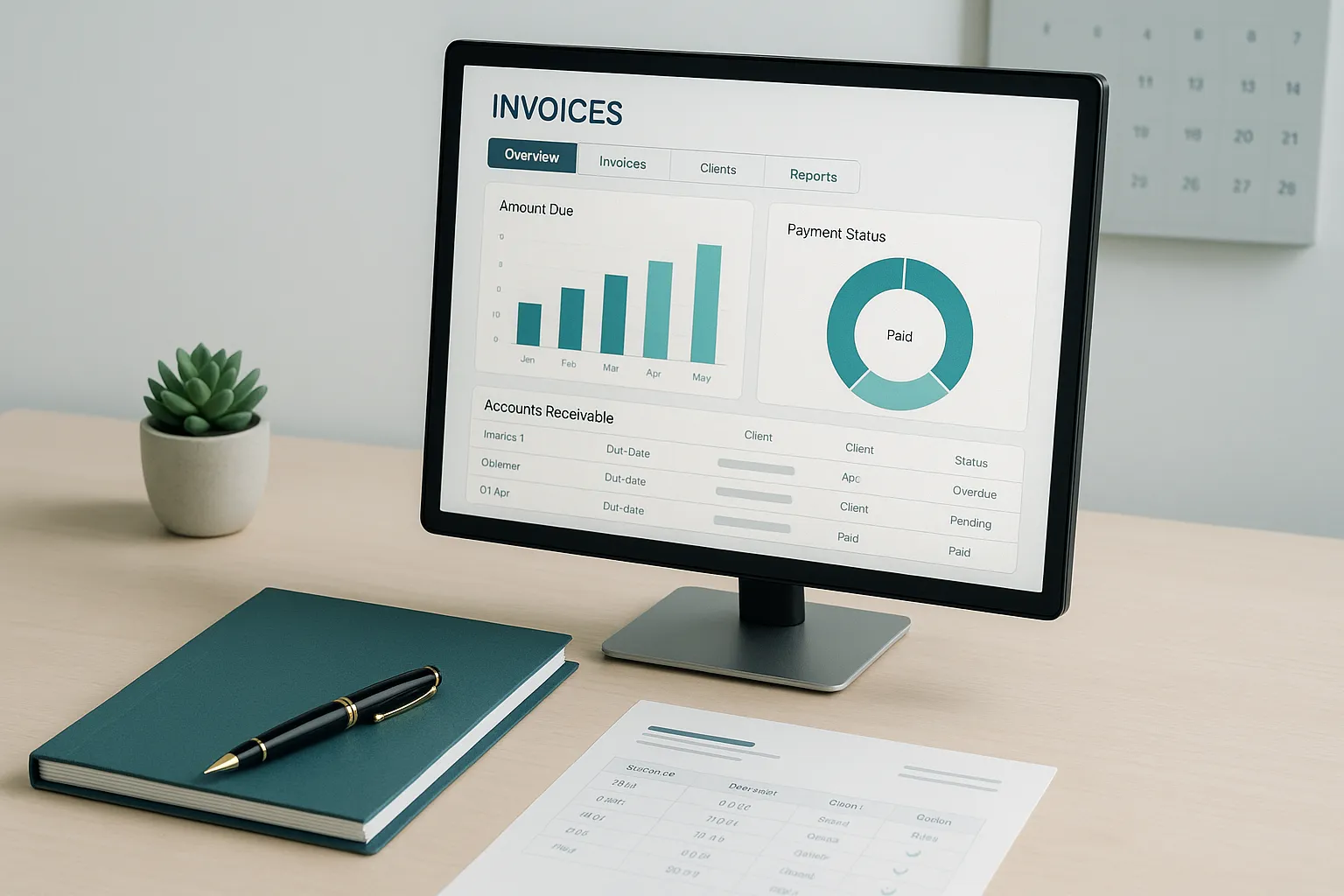
21 Tips For Managing Accounts Receivable
Managing accounts receivable effectively can transform a company’s cash flow and financial health, with proven strategies from industry experts offering practical solutions. This comprehensive guide presents 21 actionable techniques for establishing clear payment expectations, optimizing billing processes, and maintaining strong client relationships. From automating invoice follow-ups to aligning payment terms with client revenue cycles, these expert-backed approaches help businesses secure timely payments while preserving valuable customer relationships.
- Visualize Receivables Data Through Real-time Dashboards
- Combine Structure and Relationship Management
- Align Payment Terms With Client Revenue Cycles
- Convert to Subscription-Based Billing Models
- Offer Multiple Easy Payment Options
- Invoice Promptly With Clear Payment Terms
- Send Gentle Reminders Through Digital Channels
- Tie Payments to Objective Contract Milestones
- Link Value Delivery to Payment Motivation
- Communicate Payment Expectations Personally and Directly
- Build Trust Through Clear Payment Expectations
- Implement Pause and Resume Policy
- Automate Invoice Follow-ups With Data Integration
- Structure Payments to Eliminate Cash Flow Issues
- Prioritize Receivables Like Revenue Protection
- Connect Payments to Community Value
- Create a Trust Guardrail System
- Use Two-Step Proactive Payment Confirmation
- Layer Smart Dunning Workflows Into Billing
- Automate Subscription Billing for Predictable Revenue
- Set Payment-Dependent Service Delivery Stages
Visualize Receivables Data Through Real-time Dashboards
Working as a NetSuite consultant, I’ve seen receivable issues resolve quickly when dashboards show real-time data. Too often, companies don’t realize an account is slipping until it’s already overdue. With aging reports visible in one place, our SaaS clients can follow up before it grows into a larger problem. For example, one client reduced their overdue invoices by 40% simply by setting automated reminders triggered by these dashboards. My tip is simple: visibility equals control—invest in tools that keep your receivables from going dark.
 Karl Threadgold, Managing Director, Threadgold Consulting
Combine Structure and Relationship Management
Being on the front lines of running Spectup, I’ve learned that managing accounts receivable effectively is as much about communication and relationships as it is about processes. One approach I follow is setting clear expectations from the outset regarding payment terms, preferred methods, and deadlines. I remember a client early in my career where delayed payments were affecting cash flow, and we realized the main issue was inconsistent follow-ups and unclear invoicing. By implementing standardized invoices, scheduled reminders, and polite but firm outreach, we saw a noticeable reduction in late payments within a few months.
At Spectup, we also emphasize maintaining professionalism and transparency in every interaction. One tip I’ve found particularly effective is creating a simple tracking system that flags upcoming, due, and overdue invoices, which allows proactive engagement before issues arise. Another lesson is that personal touches, such as confirming receipt or checking in on any concerns, often make clients more responsive. Over time, combining structured processes with relationship management has strengthened client trust while keeping receivables on track. Observing these practices has reinforced that timely payment is not just a financial metric; it reflects the health of client relationships and operational discipline. Ultimately, effective accounts receivable management requires consistency, clarity, and proactive communication, which ensures smooth cash flow and strengthens business partnerships.
 Niclas Schlopsna, Managing Consultant and CEO, spectup
Align Payment Terms With Client Revenue Cycles
In our marketing work with surgeons, I’ve seen how seasonal revenue swings can affect timely payments, especially around elective procedures. I’ve had success creating specialized payment terms that sync with their busiest months, which helps them manage cash flow without delaying us. My tip is to study your client’s revenue patterns and structure receivables in a way that supports their cycles while still protecting your business.
 Josiah Lipsmeyer, Founder, Plasthetix Plastic Surgery Marketing
Convert to Subscription-Based Billing Models
In managing accounts receivable across educational programs, I’ve found that moving towards subscription-based billing helps a lot. For example, our ongoing language courses now run on fixed monthly plans, which makes our cash flow more predictable. This shift has also reduced the awkwardness of chasing individual payments, because parents and students now expect automated billing. My tip: whenever possible, set clients up on recurring schedules—it keeps relationships focused on learning, not late fees.
 Yoan Amselem, Managing Director, German Cultural Association of Hong Kong
Offer Multiple Easy Payment Options
In real estate, timely rent payments are the lifeblood of keeping operations steady. I’ve found that setting up a tenant portal with multiple payment options creates fewer excuses for late payments. Once we added 24/7 access and digital reminders, late rent dropped almost overnight. Tenants liked paying on their phones, and it saved me countless follow-up calls. My tip is simple: give clients or tenants the easiest possible way to pay, and they’ll usually meet you right on time.
 Ryan Nelson, Founder, RentalRealEstate
Invoice Promptly With Clear Payment Terms
When managing accounts receivable, discipline pays off. At WTL, we always invoice promptly, often the same day the job is completed. Delays on our part extend payment timelines. We use the accounting package Xero to send automatic, polite reminders before invoices are overdue. This saves the work involved in sending follow-ups.
One tip I have learned is to make payment terms 100% clear at the outset. Clarify due dates, late fees, and acceptable payment methods in each and every contract. Our experience is that this has cut down on disputes and sped up collections. Working on larger projects, we sometimes request partial upfront payment. This helps cash flow.
Since tightening up our processes as described, our average DSO (days sales outstanding) has fallen by almost 20%, which means we have a more predictable cash flow and spend less time chasing payments.
 Robert Pace, President at World Trade Logistics, Inc., World Trade Logistics, Inc.
Send Gentle Reminders Through Digital Channels
In healthcare, payment delays often happen because patients don’t notice small balances until much later, so having a gentle automated reminder system becomes essential. At my practice, text and email reminders have greatly reduced overdue accounts, since patients get a nudge without feeling pressured. For instance, a patient recently mentioned that the reminder helped her remember right after her appointment rather than weeks later. I’ve noticed that when people can also click through an online portal, their likelihood to pay on time nearly doubles. My best tip: give patients both convenience and clear communication—simple digital tools save everyone headaches.
 Dr. Edward Espinosa, Owner, OptumMD
Tie Payments to Objective Contract Milestones
In heavy equipment deals, receivables can stretch if you’re not firm. We insist on clear contract terms: deposit upfront, progress payments tied to shipping, and final payment before handover. That structure protects us against delays and disputes.
Once, a shipment sat in customs, and the client hesitated on payment. Because the contract tied payment to shipping documents, not delivery, we were protected and paid on time. Tie receivables to objective milestones, not promises. That way, your cash flow isn’t at the mercy of delays you can’t control.
 Ben Bouman, Business Owner, HeavyLift Direct
Link Value Delivery to Payment Motivation
I rely on performance reporting to manage accounts receivable effectively. When clients can clearly see the value delivered through measurable results, they naturally view timely payment as fair. This approach builds trust and reinforces the professional relationship. Consistently sharing updates on project progress ensures clients stay informed and confident in the outcomes. It also reduces misunderstandings about what has been accomplished and supports transparency in all communications.
One strategy I use is to send brief progress reports along with invoices. These updates summarize key achievements and milestones reached during the billing period. By combining the report with the invoice, clients can immediately connect payment with tangible results. This practice encourages prompt payment while demonstrating accountability and professionalism. Over time, it strengthens client relationships and creates a smoother financial workflow for the business.
 Vaibhav Kakkar, CEO, Digital Web Solutions
Communicate Payment Expectations Personally and Directly
I don’t have a corporate process for “managing accounts receivable.” My business is a trade, and the way I ensure timely payments from clients is simple: I communicate with them personally and directly. The one tip I can share for effective receivables management is to just be a good communicator.
My process is straightforward. I don’t just send a bill and hope it gets paid. I sit down with the client before the job starts and we talk about the payment schedule. I’ll say, “I’ll get a deposit from you now, and I’ll get the final payment when the job is perfect and you’re happy.” This sets a clear expectation from day one. I’ll then follow up with them after the job is done with a phone call, not just an email.
This personal approach has a huge impact on our business. The clients who hire me are happy. They see that I’m a person who is on top of my paperwork and that I’m committed to a simple, hands-on solution. This has led to a lot less stress and a lot more trust. The “timely payments” are a direct result of a simple, human-focused solution.
My advice to other business owners is to stop looking for a corporate “solution” to your problems. The best way to “manage accounts receivable” is to be a person who is honest and transparent. The best “tip” you can have is a simple, human one. The best way to build a great business is to be a person they can trust.
 Ahmad Faiz, Owner, Achilles Roofing and Exteriors
Build Trust Through Clear Payment Expectations
Timely payments aren’t just about invoices; they’re about trust, clarity, and making it effortless for clients to do the right thing.
Managing accounts receivable starts with setting clear expectations from day one. Clients should always know when payments are due and what the process looks like. Transparency, consistency, and proactive communication go a long way. I’ve also found that using technology to automate reminders and make payments simple for clients dramatically reduces delays. But beyond the tools, it’s about building respectful relationships. When clients feel valued and trust the partnership, they’re far more likely to honor timelines.
 Justin Smith, CEO, Contractor+
Implement Pause and Resume Policy
From my experience running an SEO agency, the real headache with receivables is when small delays snowball into bigger cash flow issues. To keep things smooth, I introduced a ‘pause and resume’ policy—if a client is late, we temporarily suspend their SEO until payment comes through. Setting this expectation early has encouraged timely payments without damaging relationships.
 Justin Herring, Founder and CEO, YEAH! Local
Automate Invoice Follow-ups With Data Integration
We recently automated the process of following up on outstanding invoices. This included automating the data extraction from QuickBooks Online, automatically checking which invoices are outstanding and automatically sending emails to follow up on outstanding invoices.
We used the Vidi Corp connector to QuickBooks Online to pull the data automatically including invoice numbers, due dates, client details, and payment statuses and load it into an Azure SQL Server. The connector also retrieves invoice PDFs and stores them securely with unique links, allowing for easy referencing in client communications.
Once the data is in Azure, Power Automate takes over. It builds a real-time invoice tracker in SharePoint by syncing and updating data from the SQL database. It then automates customer follow-up emails using pre-filled templates that include dynamic invoice details (e.g., number of days overdue, amount owed). These flows run on schedules, ensuring timely and consistent communication with clients.
 Eugene Lebedev, Managing Director, Vidi Corp LTD
Structure Payments to Eliminate Cash Flow Issues
We implemented a three-tier payment structure: 50% deposit, 40% at material delivery, 10% at completion. This eliminated cash flow issues that previously occurred with large projects. For commercial clients, we offer 2% early payment discounts and charge 1.5% monthly late fees clearly stated in contracts. Our average collection time dropped from 45 days to 12 days, dramatically improving working capital and allowing us to take advantage of supplier early-payment discounts.
 Dan Grigin, Founder & General Manager, Elephant Floors
Prioritize Receivables Like Revenue Protection
Receivables management depends on clarity, consistency, and proactive intervention. Our invoicing software ensures predictable reminders. Our team follows up respectfully when needed. Clients know what to expect every time. This consistency reduces excuses and disputes. My tip is to prioritize receivables as much as sales. Both fuel sustainability. Sales without collections are illusions of growth. Treat receivables like revenue protection, not clerical work. That perspective shift transforms discipline and results dramatically.
 Jason Hennessey, CEO, Hennessey Digital
Connect Payments to Community Value
For me, managing receivables starts with building strong relationships and clear expectations upfront with clients. At The Venue, payments often tie directly to time-sensitive events, so I found that community-based incentives work wonders. For example, offering a small early-payment discount that doubles as a voucher at a local restaurant makes paying sooner feel rewarding while also boosting neighboring businesses. My tip is to make payments about more than transactions—tie them to shared community value, and you’ll see better results.
 Jon Wayne, Co-Owner, The Venue at Friendship Springs
Create a Trust Guardrail System
We think of credit and collections as part of safeguarding not only our reputation but also our working relationships with our customer base. I call that running a Trust Guardrail System — clear enough to establish expectations, but flexible enough to preserve good relationships. We ensure every agreement details how payments work, late penalties, and when we send accounts to collections. It takes the emotion out of things because it’s doing what we both set forth in the beginning to do. It also keeps the team on the same page — from project managers to accounting, everybody knows who is supposed to be following up with whom and when so that no client gets mixed messages.
We used to have a customer who always delayed payments for more than 45 days. Once we spent time explaining our policy and providing a modest early-payment discount, they started paying within 15 days, which I think improved the relationship overall because we no longer needed to chase them. The thing that really helped us was to be consistent with our policy and communicate early, so that it would come across as professional rather than confrontational. It’s just a small adjustment, but it’s helped us maintain healthy receivables and strong client relationships.
 Matt Bowman, Founder, Thrive Local
Use Two-Step Proactive Payment Confirmation
It is truly valuable when business owners secure the revenue they’ve earned for a job well done—that requires tremendous effort and a disciplined commitment to financial integrity. My approach to managing accounts receivable is a lot like ensuring the final connection to the main grid is clean and the meter is always running. The “radical approach” was a simple, human one.
The process I had to completely reimagine was waiting until the payment due date passed to chase the money. My biggest misconception was that chasing late payment was a necessary, unavoidable evil. I realized that a good tradesman solves a problem and makes a business run smoother by managing the client’s expectations about money before the service is complete. The biggest risk to cash flow is allowing the financial circuit to remain vague or open-ended after the installation is finished.
The one tip I can share for effective receivables management is The Two-Step Proactive Payment Confirmation. Our first step is sending a digital Invoice Preview the moment we leave the site, not days later. The second step is a phone call or text 48 hours before the due date, framed not as a demand, but as a courtesy check to confirm they have the correct account details and the system is running smoothly. This commitment to preemptive clarity proves that consistent cash flow is the true premium commodity.
My advice for others is to treat payment certainty with the same urgency as job quality. A job done right is a job you don’t have to go back to. Don’t focus on punitive late fees; focus on the universal need for proactive, polite confirmation that the financial circuit is closed. That’s the most effective way to “ensure the power is always flowing” and build a business that will last.
 Alex Schepis, Electrician / CEO, Lightspeed Electrical
Layer Smart Dunning Workflows Into Billing
I’m happy to walk you through how I handle receivables, especially because automation really takes the friction out of it. With SaaS, overdue accounts used to pile up until we started layering dunning workflows directly into the billing system. That way, clients get nudges tailored to their subscription tier and payment behavior rather than a single one-size-fits-all message. One time, we recovered nearly all overdue invoices just from a sequence that escalated tone naturally over 15 days. My advice: lean on automation to do the follow-up work, and you’ll keep relationships intact while still getting paid on time.
 Pavel Sher, CEO, FuseBase
Automate Subscription Billing for Predictable Revenue
In running SaaS companies, I learned that waiting on manual payments causes more stress than it’s worth. Automating subscription billing gave us predictable revenue and cut down the time spent following up with clients. I keep that automation in my back pocket for when operations get busier because the system handles collections almost invisibly in the background.
 Cyrus Partow, CEO, ShipTheDeal
Set Payment-Dependent Service Delivery Stages
The best way to manage accounts receivable is by using payment milestone triggers related to service delivery stages. This approach involves mandatory confirmation of payment prior to the next phase of service being unlocked, thus denying clients full benefits while delaying payments.
Another benefit of setting up automated payment dependency workflows is that it is much easier to manage accounts receivable when there are contingent payments that cannot be accessed until the account status has been verified. This solution is used to convert collections from a reactive chase mechanism into a proactive service continuation function.
My top tip for successful receivables management is framing payment requirements as assistance to enable services instead of as debt collection. Companies that have adopted this mindset find their payment cycles dramatically improve, as clients seek to purchase again after each payment instead of paying down a debt from the past.
 Baris Zeren, CEO, Bookyourdata
Submit Your Answer
Would you like to submit an alternate answer to the question, “How do you approach managing accounts receivable and ensuring timely payments from clients? What one tip can you share for effective receivables management?”